


Bahaar Foundation
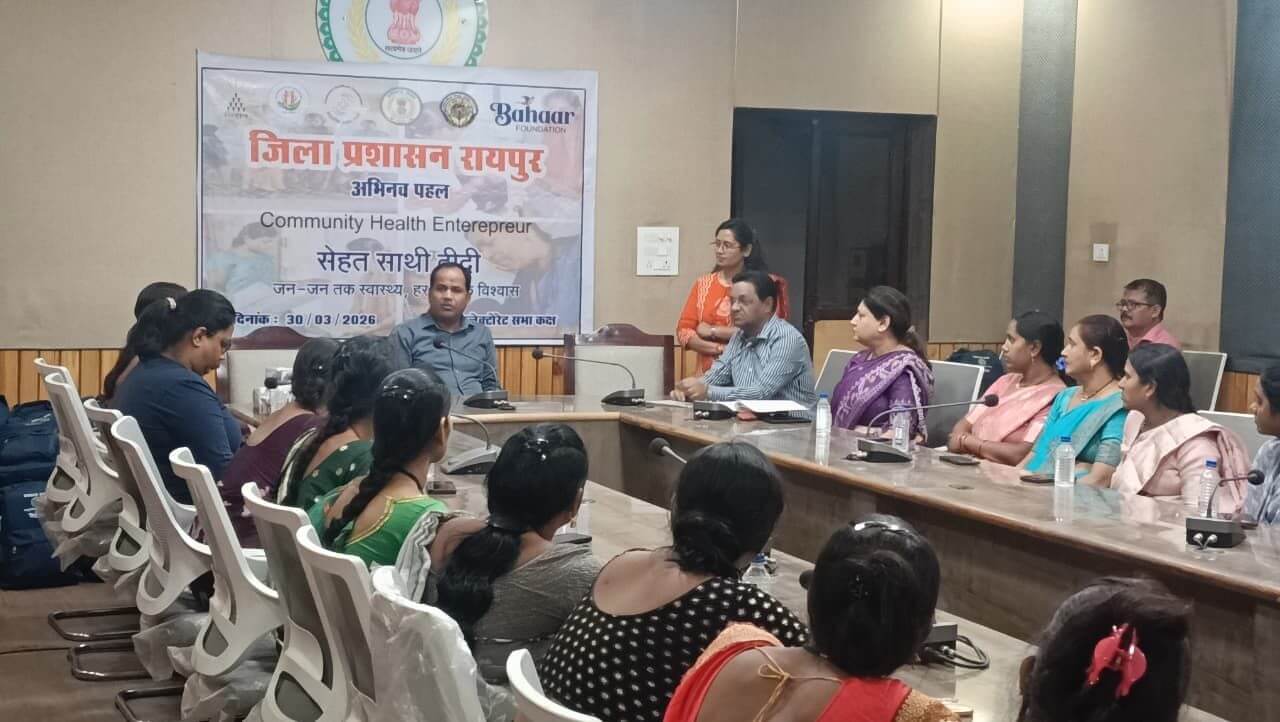
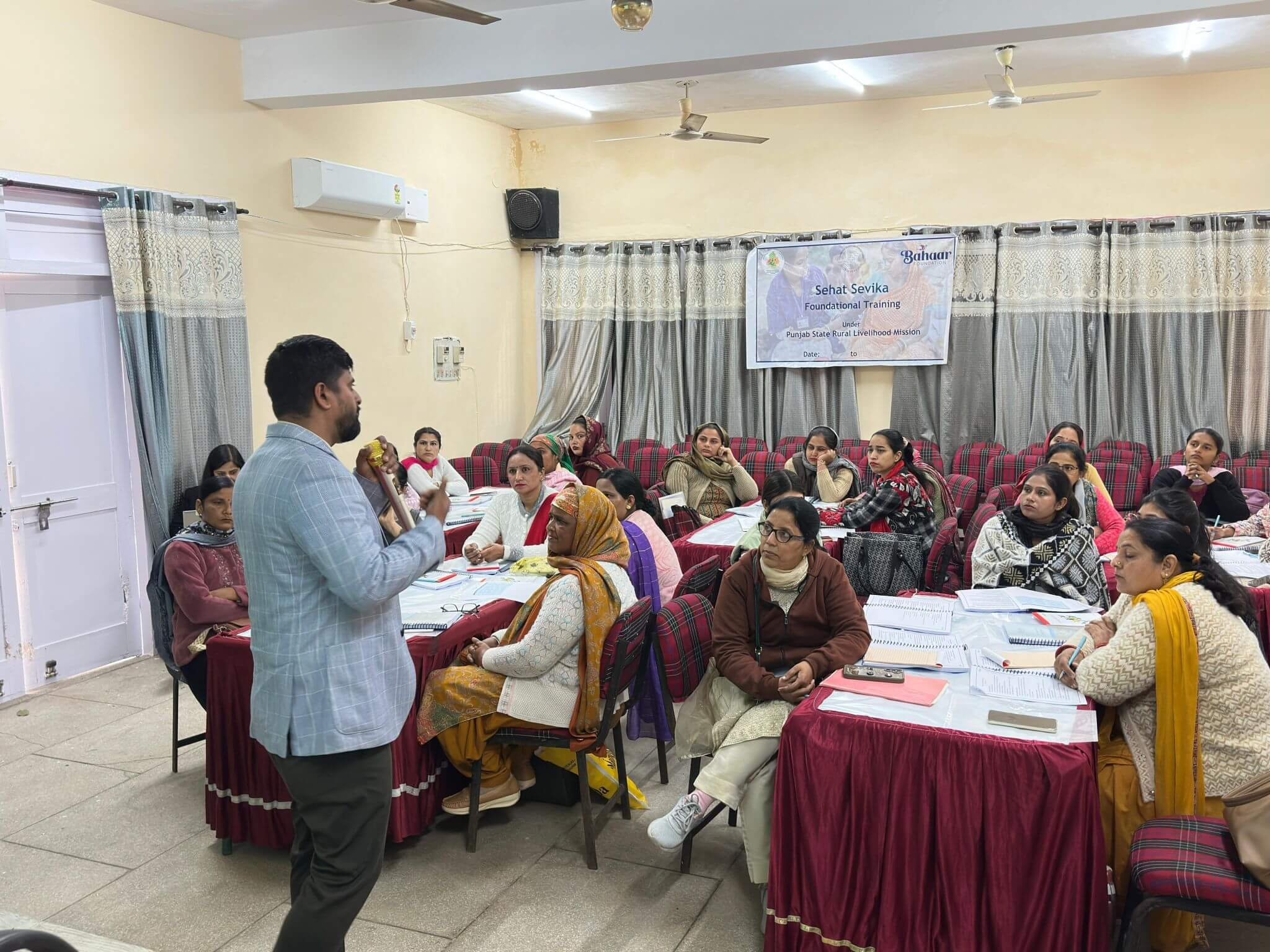
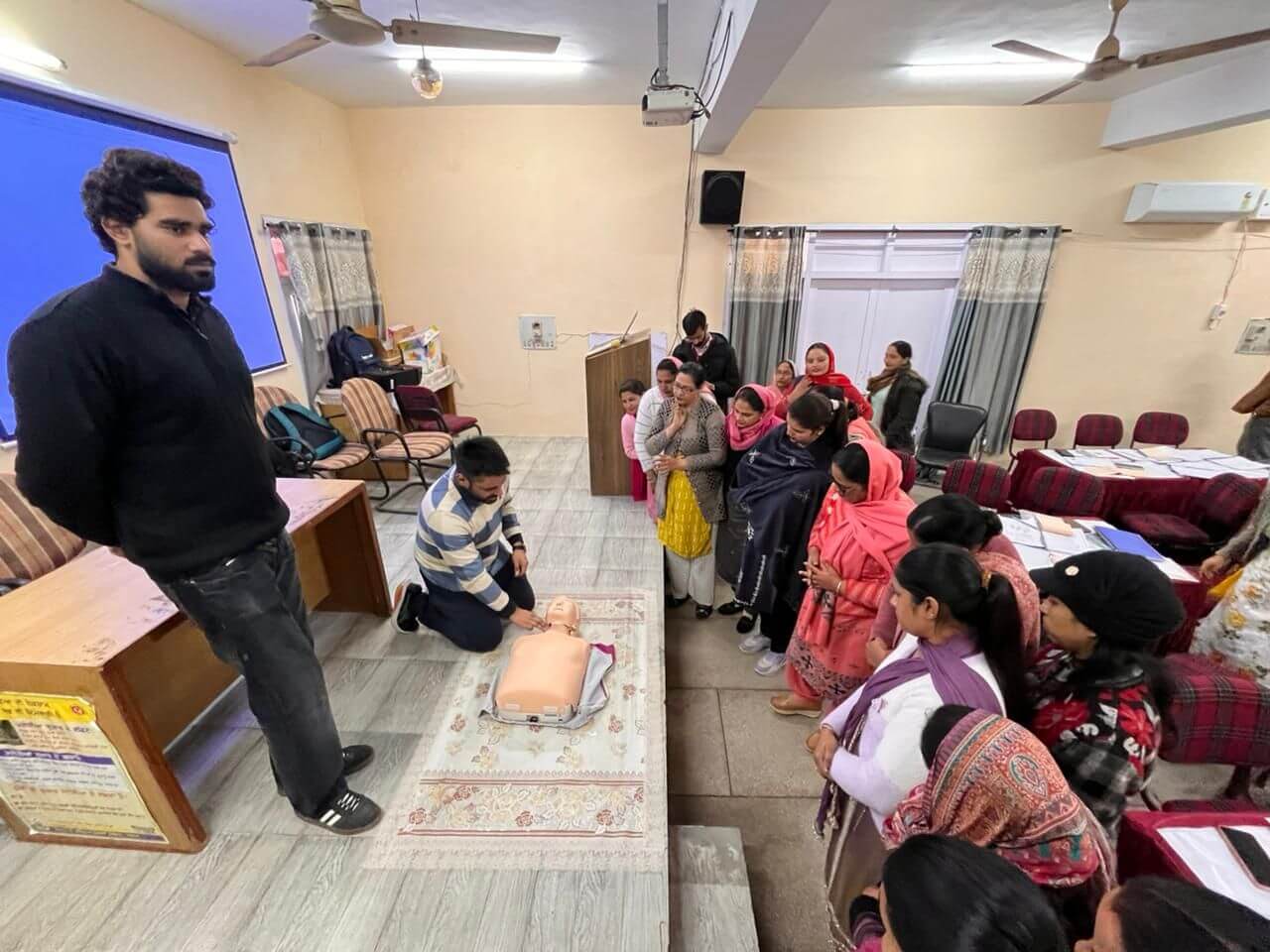
Bahaar Foundation is a not-for-profit based in India that works on rural livelihoods through two tracks: healthcare and agriculture. Its core idea is that sustainable income comes from entrepreneurship, not charity. Rather than giving people things, it trains them to run small enterprises, builds their skills across multiple disciplines, and connects them to equipment, raw materials, financing, and markets. The long-term goal is to create 100,000 micro-entrepreneurs, with a particular focus on women in rural and tribal communities.
Headquarters: India (operations across Rajasthan, Madhya Pradesh, Chhattisgarh, Karnataka, Punjab, and other states)
Major programs
- Community Healthcare Entrepreneur (CHE) Program
This is the Foundation's flagship program and current primary focus. The CHE model trains women, largely from rural and tribal communities, to become local healthcare entrepreneurs who deliver doorstep primary healthcare services within their own villages.
- Agriculture Program
The second program track works with farming communities to improve incomes through better crop selection, yield improvement, and allied agricultural activities. Partners here include the Karnataka State Department of Horticulture, Krishikalpa, and Green Planet Agri. This track has a lighter operational footprint compared to the healthcare program but reflects the Foundation's broader philosophy: participants are not helped once and left, they are built into independent operators.
Partners and funders
Implementation partners span government bodies (Government of Chhattisgarh, Government of Karnataka, Government of Punjab, Jashpur district administration), healthcare organisations (Piramal Swasthya, Doctors for You, Portea, VisionSpring Foundation), and civil society organisations (Buzz Women, Maruti Shiksha Evam Samaj Kalyan Samiti). Corporate and philanthropic support comes from HDFC Parivartan, Deloitte, PepsiCo, Sirona, and ISB (Indian School of Business).
Bahaar Foundation is a relatively young, professionally led organisation with strong institutional backing and active field operations in some of India's more underserved geographies. Roles here are likely to be in program management, training, monitoring and evaluation, field coordination, and healthcare operations. People with an interest in last-mile health delivery, rural livelihoods, or women's economic empowerment will find the work substantive and on-ground.


