


Prakhyata Abhinand Charitable Trust (PACT India)
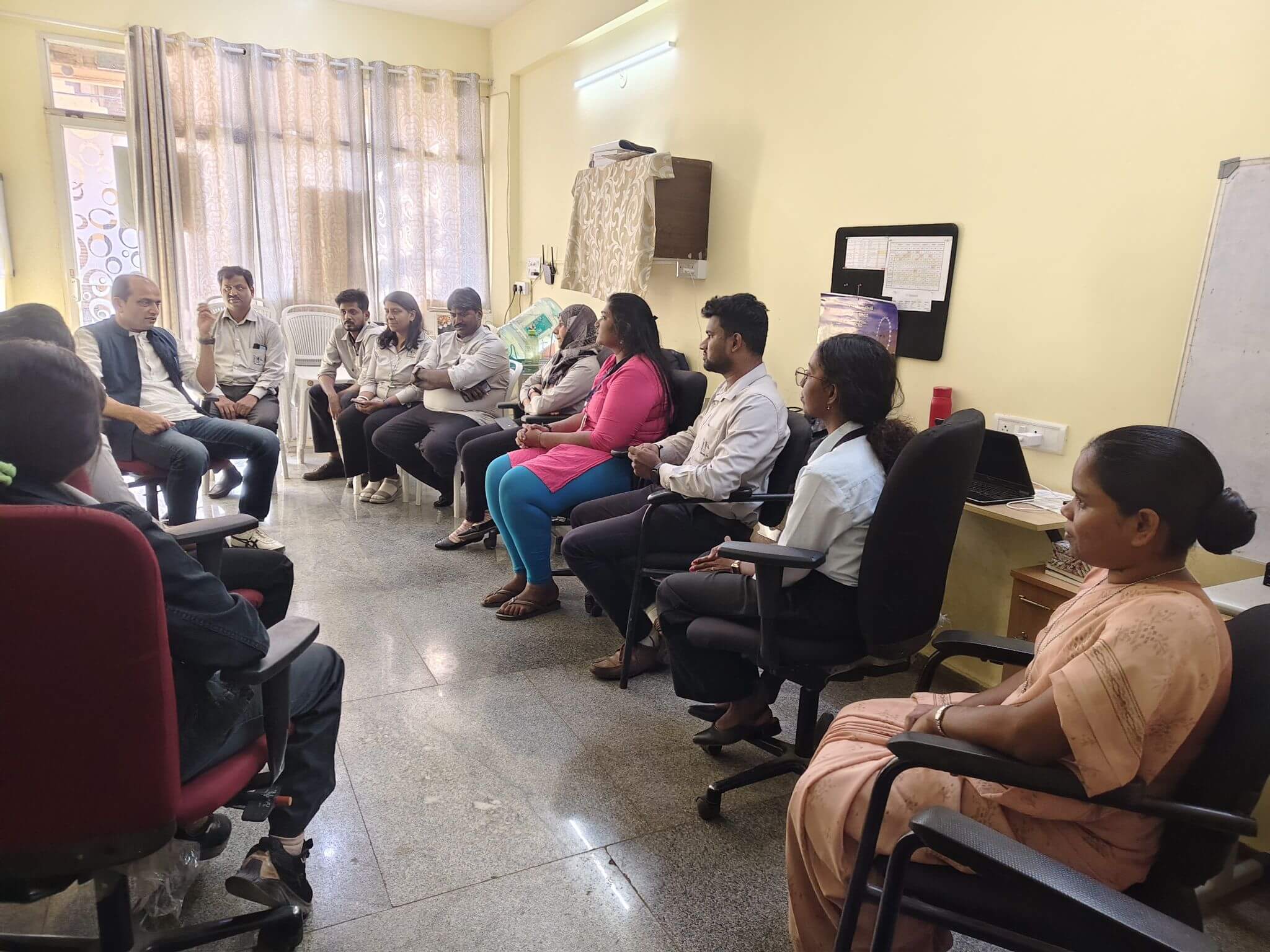
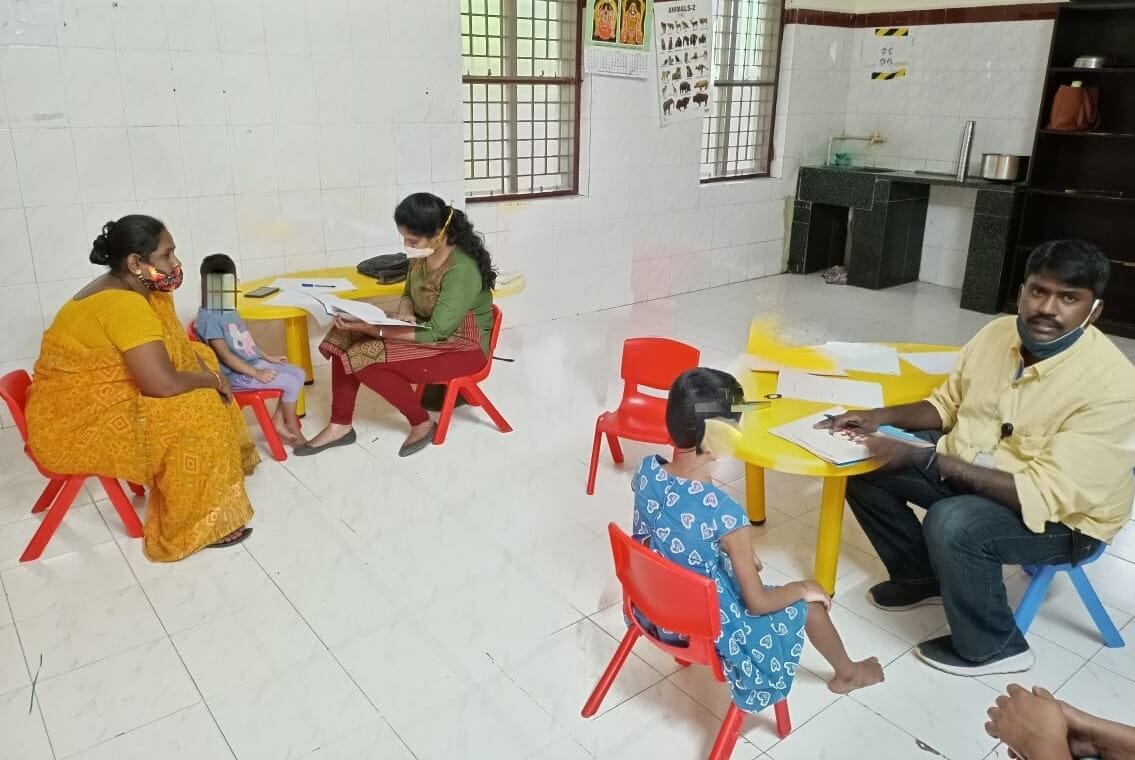
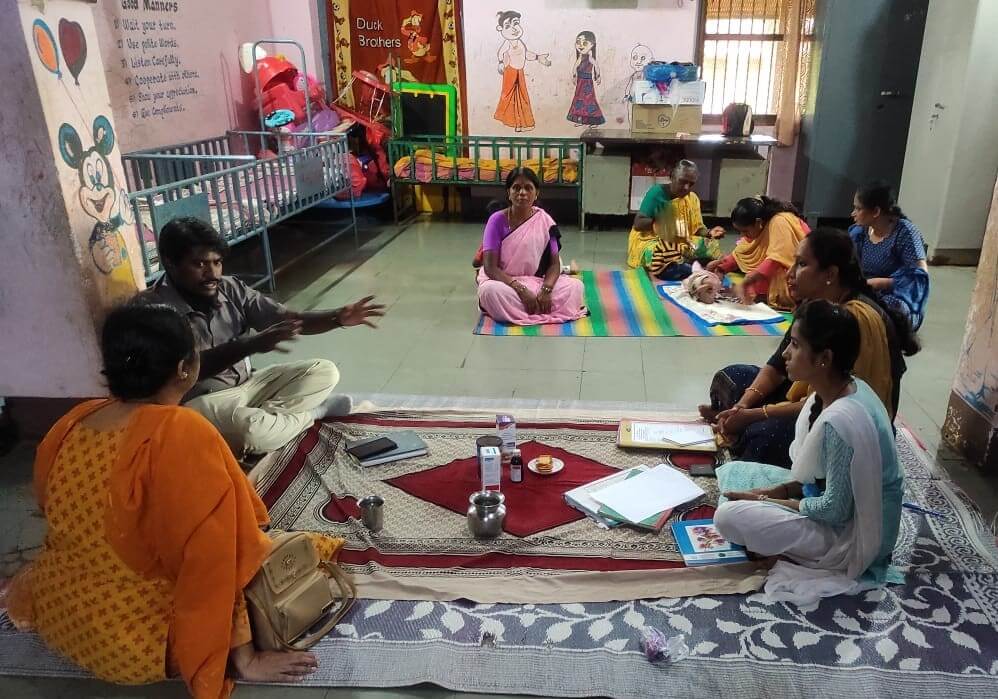
PACT India is a Bengaluru-based not-for-profit founded in 2020 that works in a very specific and largely unaddressed space: children with special needs who are orphaned, abandoned, or surrendered (referred to as OAS CwSN). These are children who are already in institutional care because they have no family, and who also have physical, cognitive, verbal, or visual disabilities. Most Child Care Institutes (CCIs) are not equipped to identify or address special needs, which means these children often go undiagnosed, untreated, and unadopted. PACT works to change that by going into CCIs, screening children, providing or arranging rehabilitation, training caregivers, and preparing children for adoption.
Headquarters: Bengaluru, Karnataka (Horamavu)
The problem PACT is solving
Being orphaned or abandoned is traumatic for any child. For a child with a disability, the consequences are compounding. Without early identification and intervention, developmental delays worsen. Without trained caregivers, basic rehabilitation does not happen. Without proper documentation of the child's health and needs, adoption agencies cannot make informed decisions. The result is that OAS children with special needs tend to age out of care homes without families, often ending up in destitute homes with poor quality of life.
PACT's entry point is the CCI itself. Rather than running a separate facility, PACT goes into existing CCIs and care homes, builds capacity there, and works toward making those institutions inclusive.
Programs
- ROOTS (Rehabilitation of Orphaned, Abandoned, Surrendered Children's Trauma and Special Needs) The flagship program, approved under the Karnataka State Integrated Child Protection Scheme. ROOTS covers children aged 0 to 18 years in CCIs. The workflow starts with a comprehensive screening using a 12-domain checklist to identify special needs across physical, mental, and psychosocial dimensions.
- WINGS (We Intend to Nurture, Give and Support) The second flagship, focused on NGO-run care homes that are not formally registered as CCIs. WINGS provides the same screening and rehabilitation support as ROOTS, but adds a compliance and governance layerv
- End Mile Connect (EMC) A program focused on connecting OAS CwSN with specialist services and external resources that CCIs cannot access on their own. This includes referrals, tele-consultation, and building networks between CCIs and healthcare providers.
- COHORT PACT's effort to identify and treat OAS CwSN at scale, functioning as an aggregator across multiple CCIs to reach children who might otherwise not come to the attention of any rehabilitation program.
- REVIVE (Self Generation Program) A program to build financial sustainability for PACT itself, reducing dependence on grants by developing earned income streams.
- Building Caregivers A capacity-building project that trains in-house caregivers within CCIs to deliver basic rehabilitation, exercises, and developmental support on an ongoing basis between PACT visits.
PACT works in a niche that very few organisations in India address. People with backgrounds in special education, rehabilitation, child protection, social work, or disability are likely to find the work both substantive and rare. Given the small team size, anyone joining takes on broad responsibility. The organisation is also at an early stage of scale, which means the work is generative rather than routine.


